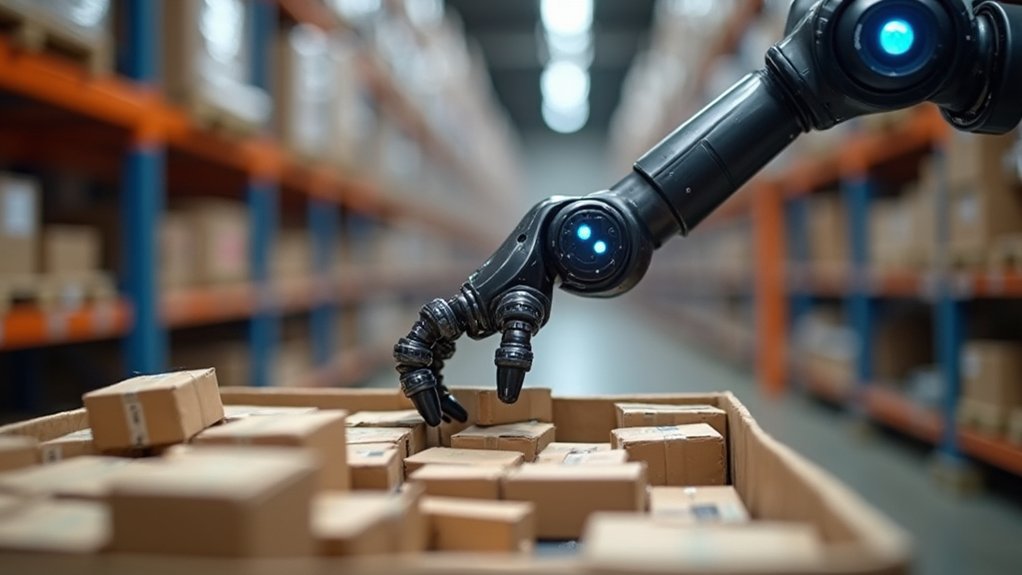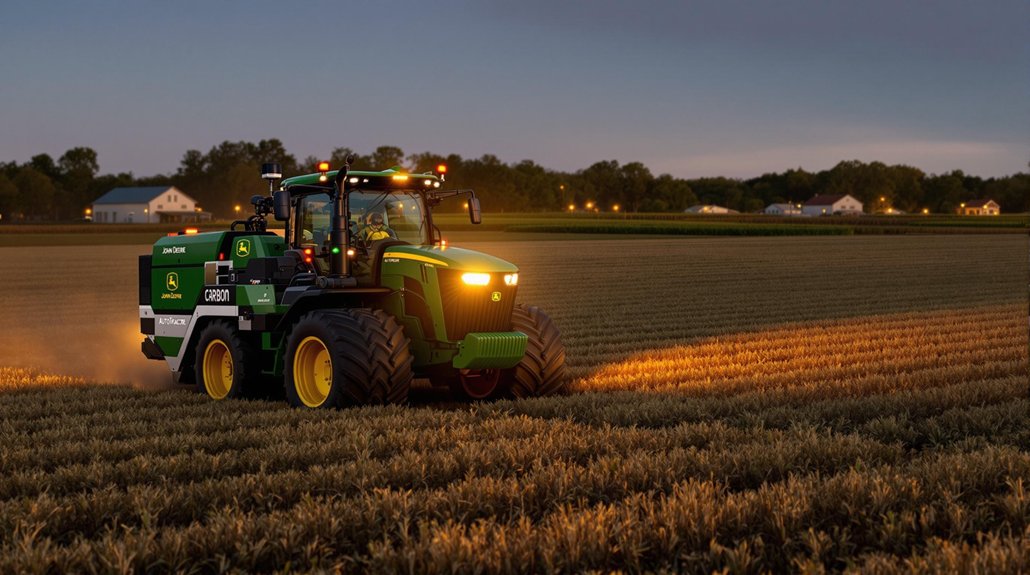

Automation’s rise is changing how people work. Many fear it’ll take jobs away. But the facts tell a different story. Automation’s actually making work easier and more productive for many workers.
Cost savings are one big benefit. Automation cuts operation, maintenance, and labor costs. It also increases throughput by up to 50%. Fewer defects mean less rework and wasted materials. Robot sales in North America hit $2.4 billion in 2022, up 18% from 2021. That growth shows companies are investing heavily in the technology.
Efficiency is another major gain. Production lines run faster and produce more output. Data collection helps identify and remove bottlenecks. Real-time decision-making connects multiple locations instantly. During peak demand, automated workflows adjust quickly to keep operations running smoothly.
Workers are also seeing real benefits. Automation frees employees from repetitive, boring tasks. That gives them more time for meaningful work. Around 80% of employees say they now have more time for customer relationships and learning. Less frustration and job stress also improve morale and work-life balance. Companies report better employee retention as a result.
Product quality has improved too. Automated systems make fewer errors than humans doing repetitive tasks. That means fewer defects, fewer returns, and less waste. Customers get better products faster. Compliance rates have also improved across many industries.
Safety in the workplace has gotten better as well. Automation handles dangerous and physically demanding tasks. That reduces injuries in manufacturing and warehouse environments. Workers face fewer risks when machines take on the hardest physical jobs.
However, automation doesn’t always work the way people expect. Sometimes it creates more task variety instead of reducing it. It doesn’t always free workers from all manual tasks. Researchers say companies need to carefully design automated systems. The goal should be to genuinely support human workers, not just replace simple tasks with new ones. Many businesses are also exploring automation as a service to make adoption more affordable and scalable.
The truth is that automation’s reshaping work in complex ways. It’s cutting costs, boosting quality, and helping workers focus on higher-value skills. But thoughtful planning is needed to make sure those benefits reach everyone. AI is also transforming how companies approach fraud detection and security, completing threat identification in seconds and protecting both businesses and workers. Research estimates that one robot per 1,000 workers can cut the employment-to-population ratio by 0.2%, showing that while automation has real impact, fears of total job loss remain overstated.
References
- https://www.gray.com/insights/turning-to-automation-reducing-costs-increasing-efficiency/
- https://pshra.org/focus-on-how-automation-can-improve-the-employee-experience/
- https://hbr.org/sponsored/2023/04/how-automation-drives-business-growth-and-efficiency
- https://mitsloan.mit.edu/ideas-made-to-matter/a-new-look-how-automation-changes-value-labor
- https://www.rectanglehealth.com/resources/blogs/how-its-changing-our-lives-beyond-the-workplace/
- https://aimagazine.com/articles/productivity-paradox-as-automation-makes-humans-work-harder