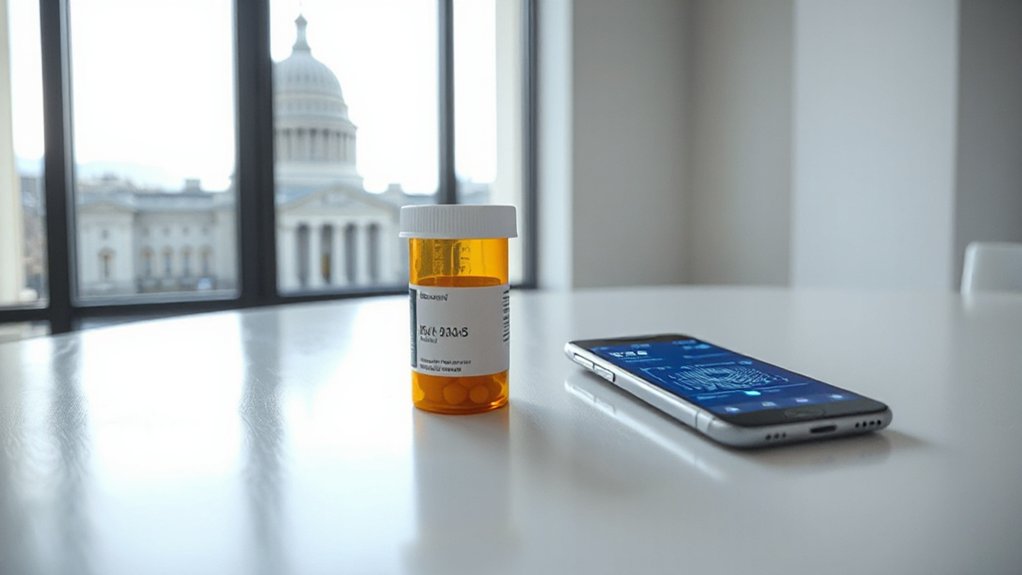

In a groundbreaking move that signals a major shift in healthcare delivery, Utah has become the first state to allow artificial intelligence to handle prescription refills without doctor involvement. The partnership with Doctronic, announced January 6, 2026, marks the first state-approved AI system for medication management in the United States.
The pilot program launched in December 2025 under Utah’s regulatory sandbox framework. It covers about 190 common medications for chronic conditions like high blood pressure, diabetes, and thyroid disorders. Patients can renew 30-, 60-, or 90-day supplies by visiting a webpage that verifies their location and reviews their prescription history.
Safety remains a key focus of the program. Physicians review the first 250 AI-generated prescriptions in each drug category before full automation begins. The system flags uncertain cases for doctor review and screens for medication contraindications.
Patient safety drives the program, with thorough physician review before automation and smart flagging of uncertain cases.
Doctronic has secured malpractice insurance holding the AI to the same standards as human doctors. Not all medications qualify for the program. Controlled substances, pain management drugs, ADHD medications, injectables, and high-risk prescriptions are excluded. These limitations help guarantee patient safety while the technology proves itself.
The $4 per renewal fee could drop as the system expands. If patients don’t qualify for an AI renewal, they receive a code for a free video consultation with a doctor. This helps prevent care disruptions when the AI detects potential issues.
Healthcare experts note that prescription renewals make up roughly 80% of medication activity. By automating this process, doctors can focus on complex cases instead of routine paperwork. The system may also improve medication compliance, a major factor in preventable health complications. This innovative approach could encourage other states to adopt similar regulatory sandboxes for testing AI healthcare solutions.
Utah’s Office of Artificial Intelligence Policy receives monthly reports on the program’s performance, including renewal approvals, denials, and random samples for quality control. Despite the program’s potential benefits, medical associations have expressed significant opposition to the initiative, citing concerns about patient safety without direct physician oversight. This oversight helps monitor the AI’s effectiveness while making sure patient safety in this new frontier of healthcare technology.
References
- https://hooperlundy.com/utah-launches-nations-first-state-approved-ai-prescription-refill-program/
- https://healthjournalism.org/blog/2026/01/utah-becomes-first-state-to-allow-ai-prescription-refills-what-to-know/
- https://www.politico.com/news/2026/01/06/artificial-intelligence-prescribing-medications-utah-00709122
- https://commerce.utah.gov/2026/01/06/news-release-utah-and-doctronic-announce-groundbreaking-partnership-for-ai-prescription-medication-renewals/
- https://www.polsinelli.com/publications/utah-approves-ai-for-prescription-refill-process-as-states-test-ai-governance-models
- https://www.mobihealthnews.com/news/utah-allows-ai-renew-prescription-drugs-autonomously