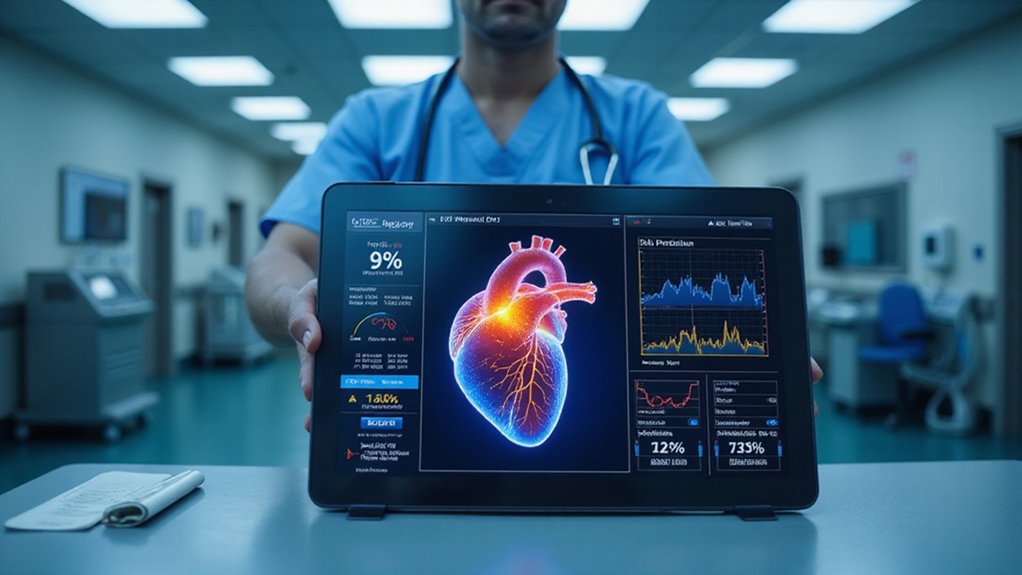
Scientists have developed a tiny pacemaker that’s smaller than a rice grain. It’s just 1.8 mm wide and weighs less than half a paperclip. The device delivers electrical pulses to maintain heart rhythm but dissolves naturally in the body within weeks. It works wirelessly using infrared light technology. This innovation eliminates the need for removal surgery, reducing infection risks. It’s especially beneficial for babies and patients sensitive to invasive procedures. Further research could transform other medical treatments.
Scientists have developed a groundbreaking pacemaker that’s smaller than a grain of rice. This tiny device measures just 1.8 mm wide, 3.5 mm long, and 1 mm thick. It weighs less than half a gram, about the same as half a paperclip.
The miniature pacemaker is made from special materials that naturally dissolve in the body over time. It doesn’t need wires or bulky parts like traditional pacemakers. Instead, it works wirelessly using technology similar to what smartphones use for contactless payments. Modern versions utilize infrared light for communication and stimulation through body tissues.
This tiny marvel dissolves naturally in the body, using wireless technology to function without the bulky components of conventional pacemakers.
This innovative device delivers electrical pulses directly to the heart muscle to maintain proper rhythm. It can sense the heart’s natural beats and adjust its timing accordingly. After it completes its job, the pacemaker dissolves through the body’s normal processes within weeks.
The dissolving pacemaker offers temporary support for patients recovering from heart surgery or waiting for permanent devices. It’s especially helpful for babies and small children due to its tiny size. Doctors can also use it for patients with irregular heartbeats who need short-term treatment.
Unlike conventional pacemakers, this device doesn’t require a second surgery for removal. This notably reduces infection risks and complications. It’s particularly beneficial for patients who are sensitive to invasive procedures.
Scientists have tested the pacemaker in various animals and human heart tissue in laboratories. Clinical trials have shown it’s both safe and effective. Studies indicate it causes less tissue damage and fewer complications than traditional devices.
The technology shows promise for heart failure patients who have a dyssynchronous rhythm and might otherwise be unable to benefit from conventional pacing therapies. Researchers are now exploring ways to combine this technology with other heart devices like valve replacements. They’re also investigating how multiple tiny pacemakers might work together for more complex heart conditions.
The technology could eventually lead to other dissolving electronic implants for different medical uses. Future versions might help with bone healing, nerve stimulation, and tissue regeneration, opening up exciting possibilities for less invasive medical treatments.