
How well can a car wrap really fool a Flock camera? That question has been popping up online as drivers look for ways to dodge automated license plate readers. The short answer is complicated.
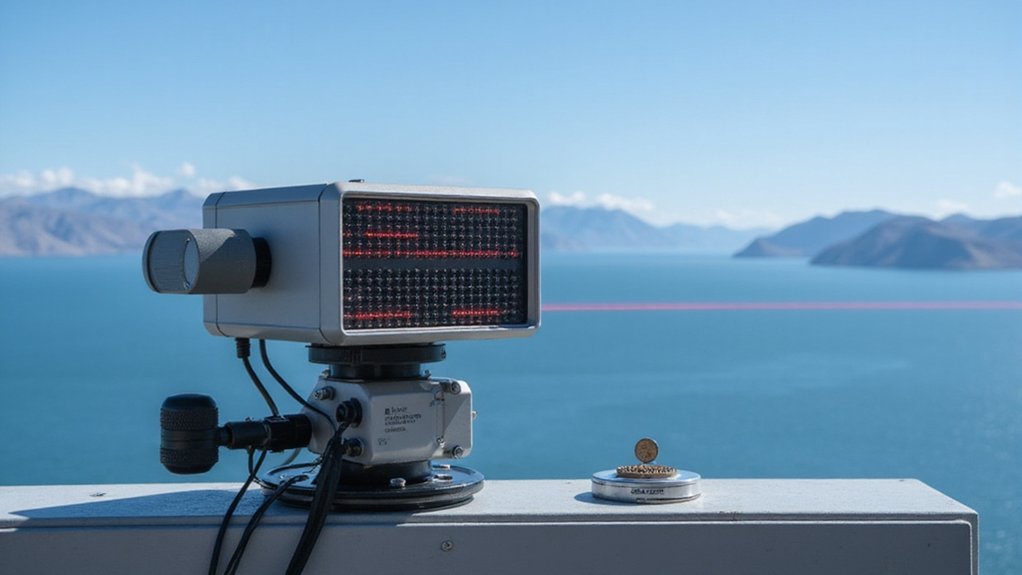
Flock cameras are license plate readers. They take still images of cars in public view. Those images turn into searchable data about the plate, the time, and the location. Flock says its systems also collect vehicle details. That includes make, color, and body type. The cameras can also pick up on things like bumper stickers, roof racks, or a broken taillight. These systems are motion-activated. They snap several still frames of each car that passes.
Flock cameras don’t just read plates. They capture make, color, body type, and small details like bumper stickers or a broken taillight.
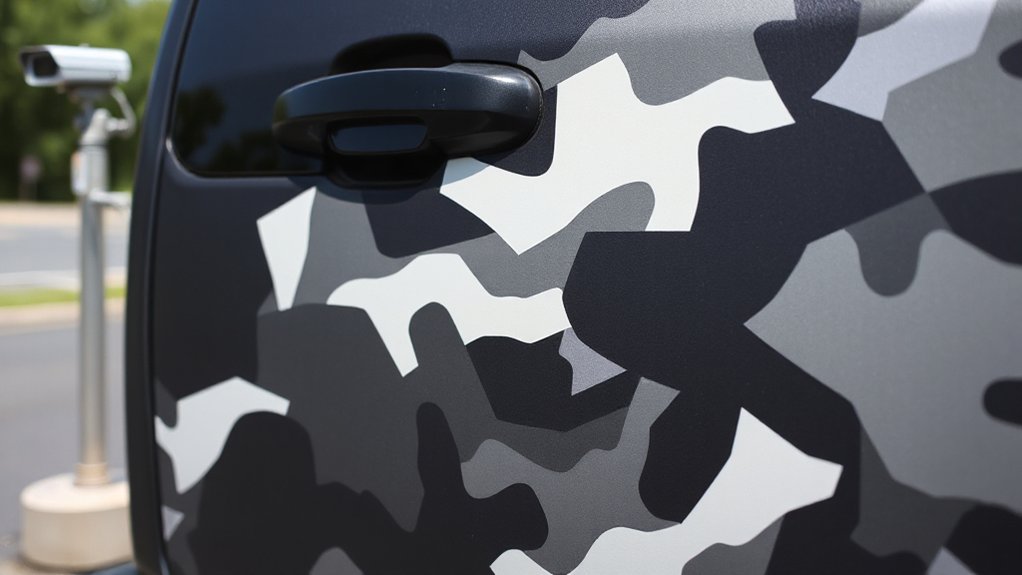
A vehicle wrap can change how a car looks. It might shift what a camera reads for color or body style. But wraps don’t cover the license plate. That plate stays the main way these systems identify a car. Even a partial wrap leaves other clues exposed. Wheel style, lighting, and body shape can still show through. Flock’s system looks for a full “vehicle fingerprint.” That means a wrap alone probably won’t hide a car from every angle. Flock’s network now spans 49 states, giving agencies agency-controlled connectivity that makes evading detection in one jurisdiction far less useful once a vehicle crosses into another.
Some 2026 research pointed to something different: AI-generated adversarial patterns. These are designs made to confuse detection software. Reports say they don’t stop a camera from taking a picture. Instead, they aim to trip up the algorithm reading it. Testers reportedly ran about 31 million trials before landing on patterns that worked. That’s a lot of computing power. These patterns weren’t just for cars. Reports say they could be used on clothing and other objects too.
Still, there are limits. If a plate stays readable, a wrap or pattern probably won’t beat a Flock-style system. If the plate gets blocked, Flock’s system may lean on other features like color or damage to identify the car. Adversarial patterns might trip up some object recognition tools. But no published report proves they can beat Flock’s full detection pipeline. Independent testing has already raised doubts about Flock’s own reliability, with one review finding a 10% error rate in camera output. Results likely depend on lighting, camera angle, and vehicle speed.
References
- https://www.flocksafety.com/products/license-plate-readers
- https://en.wikipedia.org/wiki/Flock_Safety
- https://deflockilm.org/how-flock-cameras-work/
- https://www.flocksafety.com/ebooks/license-plate-reader-cameras-overview
- https://www.businessinsider.com/flock-cameras-license-plate-readers-explained-2026-8
- https://www.chron.com/news/article/what-is-a-flock-camera-22339162.php
- https://www.bristolri.gov/DocumentCenter/View/892/Flock-Safety-Media-FAQs-2-1-1?bidId=
- https://www.zdnet.com/article/flock-ai-cameras-risks-us-how-to-find-nearby-what-they-track/
- https://berndpulch.org/2026/08/17/the-invisible-car-how-one-researcher-is-beating-flock-cameras-with-ai-generated-patterns/
- https://www.foxnews.com/tech/license-plate-cameras-tracking-drivers-everywhere