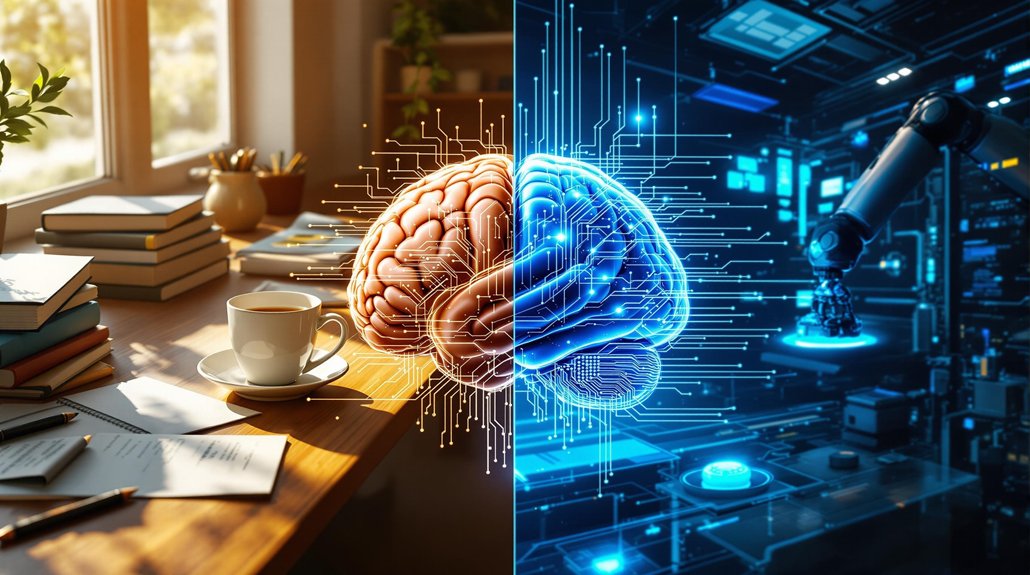

The rise of artificial intelligence is bringing an unexpected subject back into the spotlight: philosophy. As machines take over routine tasks and pattern recognition, experts say humans are left with something AI can’t easily copy: purpose, values, and ethical judgment. That’s pushing philosophy back to the center of important conversations.
AI’s roots actually go back to philosophy. Aristotle’s formal logic helped lay the groundwork for today’s algorithms. Descartes questioned whether human thought could ever be mechanized. Leibniz believed thinking was a form of computation. These ideas eventually helped spark the AI field in the 1950s and 1960s. By around 2012, three forces came together: philosophical thinking, greater computing power, and new algorithm breakthroughs.
Now, intelligent machines are making people ask harder questions about what it means to be human. AI can compose music, paint pictures, hold conversations, and win strategy games. That’s forcing a deeper look at consciousness, creativity, free will, and what makes human inner life unique.
Humanists and existentialists say humans still hold something special. They point to empathy, wonder, and moral choice as things that separate people from machines. The ancient Greek idea of “know thyself” is getting new attention. Thinkers are also revisiting “eudaimonia,” a Greek concept about living a good, flourishing life, to help guide decisions about technology.
But AI does have real limits. It memorizes rules and applies them without truly understanding the world. It doesn’t have a consistent model of reality. Experts say it can’t genuinely replicate critical thinking, ethical reasoning, or real awareness. Rather than accepting AI outputs at face value, philosophers warn against a new positivism that places blind trust in machine-generated answers without demanding justification or reflection.
The ethical questions are serious, too. The Dartmouth Conference in 1956 first coined the term “artificial intelligence” and raised big questions about its nature. Today, tools like large language models and deep fakes are pushing those questions into everyday life. Who does this technology serve? What’s it actually for? How does it affect human agency? Notably, OpenAI was founded in December 2015 by prominent figures including Elon Musk and Sam Altman, with the explicit aim of ensuring AI would benefit humanity rather than harm it. These same tensions around technology, market consolidation, and public interest are visible in moves like Robinhood’s acquisition of WonderFi Technologies, a deal framed around expanding access to regulated crypto trading for everyday users in Canada.
Experts say philosophy isn’t becoming outdated. It’s becoming more necessary. The frameworks of Plato and Aristotle are still being used to assess AI’s effects and guide smarter, more ethical choices.
References
- https://erickimphotography.com/philosophy-in-the-age-of-ai-a-foundational-discipline-for-the-future/
- https://www.hudsonhillcapital.com/news/from-artistotle-to-ai
- https://footnotes2plato.com/wp-content/uploads/2025/05/final-the-philosophical-implications-of-artificial-intelligence-6.pdf
- https://aeon.co/essays/is-ai-our-salvation-our-undoing-or-just-more-of-the-same
- https://www.aacsb.edu/insights/articles/2025/10/using-ancient-frameworks-to-navigate-the-ai-era
- https://news.harvard.edu/gazette/story/2025/07/does-ai-understand/