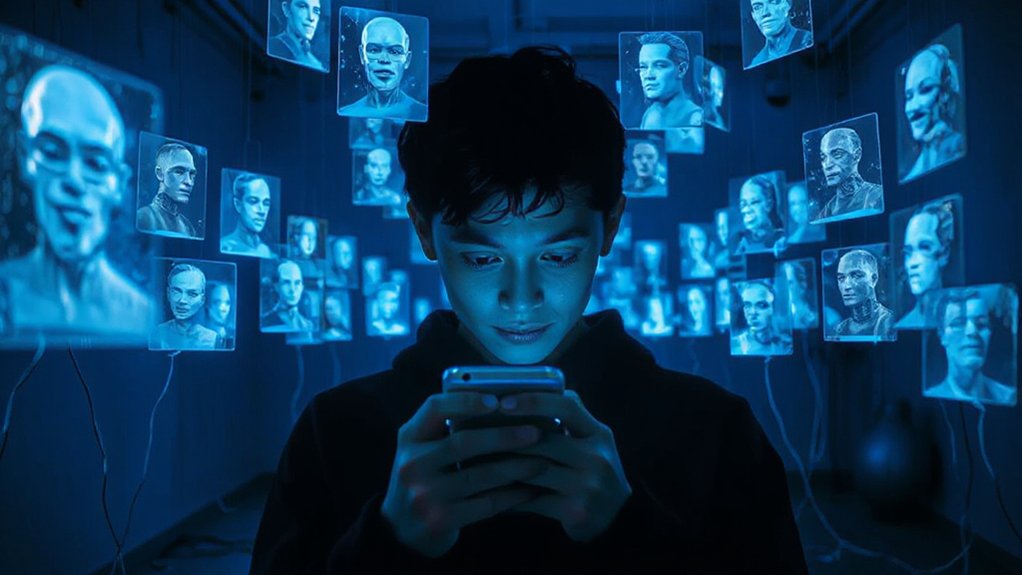
Something big is happening on social media. Machines are making videos, and they’re everywhere. As of March 2025, 71% of all social media content is AI-generated. That number’s expected to jump to 90% by 2026.
Creative professionals are driving much of this shift. About 87% of them now use AI tools in their work. Two-thirds use these tools every week.
87% of creative professionals now use AI tools, with two-thirds incorporating them into their weekly workflow.
Even on YouTube, more than 20% of videos are now classified as “AI slop,” a term used for low-effort, machine-made content. The platforms themselves are making it easier for this content to spread.
Short vertical videos get the most views and engagement. YouTube Shorts now supports videos up to three minutes. Instagram Reels can run up to 20 minutes. TikTok allows uploads up to 10 minutes. All three platforms push video content higher in their algorithms.
The tools behind this wave are becoming more powerful. Apps like Runway and DALL·E can generate full videos. ChatGPT and Jasper write captions. Copy.ai and Writesonic create ad copy.
One video can be exported into multiple lengths automatically, making it easier than ever to flood multiple platforms at once. AI content isn’t just spreading.
It’s also performing well. An AI-made ASMR video of a glass breakfast by an account called @asmraiworks got 33.9 million views with a 12% engagement rate. A human-made version of the same video got 10.6 million views with an 8.88% engagement rate. AI won.
Not everyone’s happy about it. Platforms like TikTok and Instagram now require creators to label AI-made content. Realistic AI videos can also get automatic labels.
Still, only 44% of users feel confident they can spot AI content. That’s raising real concerns about misinformation and deepfakes. Marketers are also using AI in new ways.
They’re using it to schedule posts at the best times, analyze comments, forecast trends, and personalize stories based on user data. Nearly 94% of users have already encountered AI content online. Most of them just didn’t know it. Algorithmic bias in AI can unintentionally affect ad visibility and targeting fairness, making ethical oversight a growing priority for brands. Industries like skincare and cosmetics are already capitalizing on this shift, with brands increasingly using AI-generated content for product promotions across social platforms.
Much like the way China’s solar expansion has driven down global panel prices by flooding the market, the rapid proliferation of AI content tools is creating a similar oversupply dynamic, pushing down the perceived value of original digital content.
References
- https://www.hedra.com/blog/ai-video-trends-social-media-trends
- https://riithink.com/riisearch-blog/ai-social-media-marketing-trends/
- https://www.rivaliq.com/blog/ai-generated-videos-on-social-media-hype-risks-and-performance/
- https://www.youtube.com/watch?v=P1ikZ8Dic20
- https://focalml.com/blog/10-ai-video-trends-taking-over-the-internet/
- https://dailynexus.com/2026-03-05/seeing-and-believing-how-ai-content-is-dominating-social-media/
- https://businessoftv.substack.com/p/gen-ai-video-trends-where-is-all