AI art generators are facing criticism for replicating Studio Ghibli’s distinctive style without permission. Copyright laws don’t protect artistic styles, leaving Hayao Miyazaki and his studio vulnerable to imitation. Artists worry that AI-generated Ghibli-style images devalue their work and threaten livelihoods. Social media users argue AI art lacks emotional depth despite its technical accuracy. This controversy highlights ongoing tensions between technological advancement and protecting artistic integrity in the digital age.
In the digital domain, controversy swirls around AI art generators accused of stealing from human artists. The iconic Japanese animation studio, Studio Ghibli, known for films like “Spirited Away” and “My Neighbor Totoro,” has become a focal point in this debate.
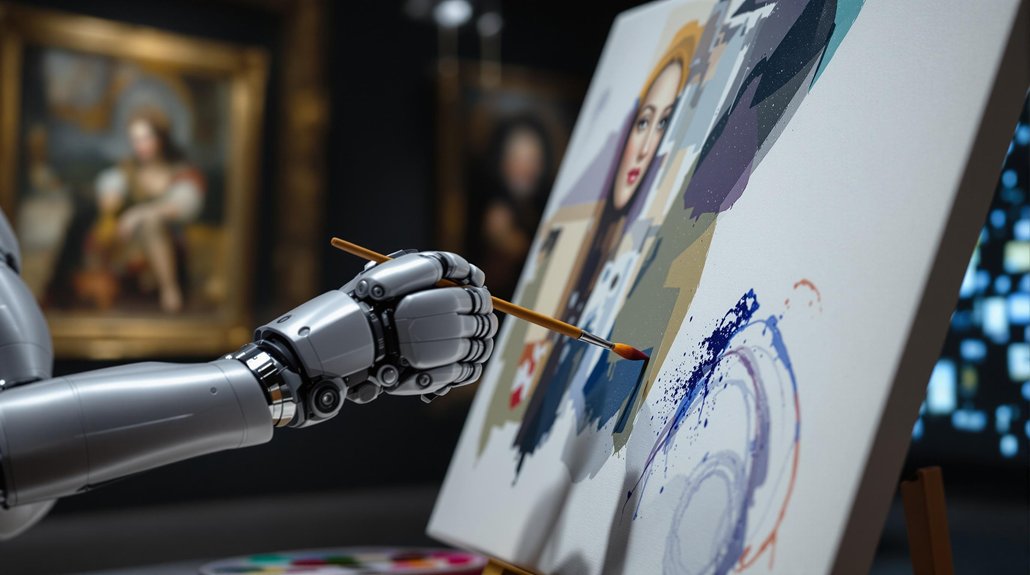
AI art generators train on massive datasets containing millions of images, often including copyrighted works collected without permission. While these systems don’t memorize images, they can create new art that closely resembles original works when given specific prompts. This has led to countless AI-generated images mimicking Studio Ghibli’s distinctive style.
AI systems learn from millions of artistic works without consent, then recreate recognizable styles like Studio Ghibli’s with alarming precision.
The legal landscape remains unclear. Copyright laws typically don’t protect artistic styles, creating a gray area that AI companies exploit. While individual images have protection, the unique visual approach that makes Studio Ghibli instantly recognizable doesn’t enjoy the same legal safeguards.
Studio Ghibli’s founder, Hayao Miyazaki, has voiced strong opposition, calling AI-generated art “an insult to life itself.” His reaction reflects the frustration many artists feel seeing their life’s work replicated in seconds without credit or compensation.
Several lawsuits against companies like OpenAI and Midjourney highlight growing concerns. These legal challenges question whether training AI on copyrighted materials constitutes “fair use” or represents unauthorized exploitation of creative work. AI operates by creating probability distributions rather than directly copying existing works, complicating the legal arguments around plagiarism.
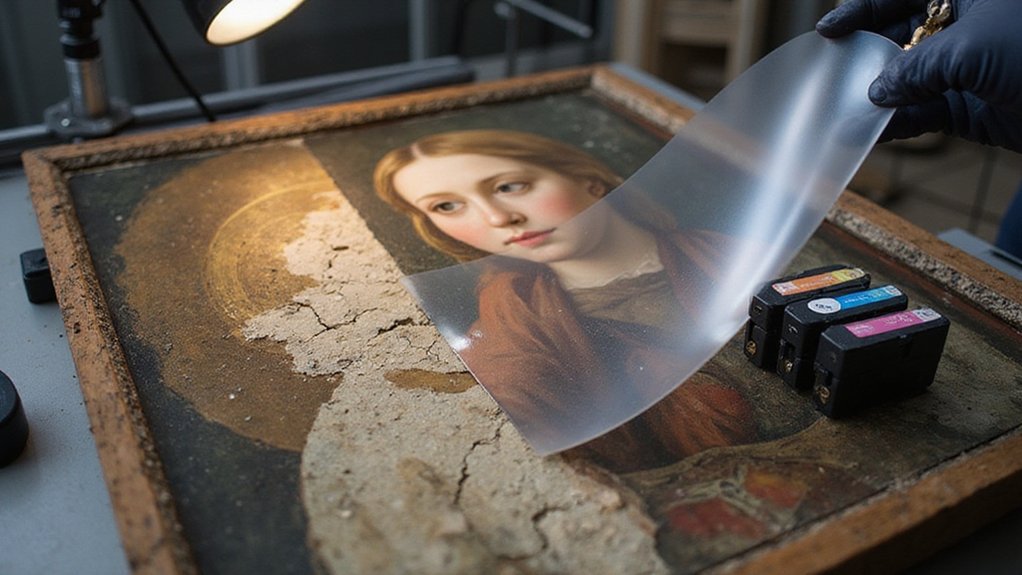
For artists, the issue goes beyond legal technicalities. Many see AI art as devaluing human creativity and threatening livelihoods. When AI can generate “Ghibli-style” illustrations instantly, the unique value of artists who’ve spent years perfecting similar techniques diminishes. The ability of AI to generate hyper-realistic images indistinguishable from authentic artwork further threatens artists’ distinctive styles and market value.
Public backlash has intensified on social media, with many viewers questioning the authenticity and ethical foundations of AI-generated art. Critics argue that AI art lacks the human experience, intention, and emotional depth that make Studio Ghibli’s work so powerful. Many users have reported mixed feelings about the authenticity of AI in mimicking the distinctive Ghibli aesthetic while simultaneously being amazed by its effectiveness.
As courts deliberate and technology advances, the tension between AI innovation and artistic rights remains unresolved. Studio Ghibli’s case exemplifies the broader challenges of protecting creative expression in an age where technology can mimic but not truly replicate human artistry.