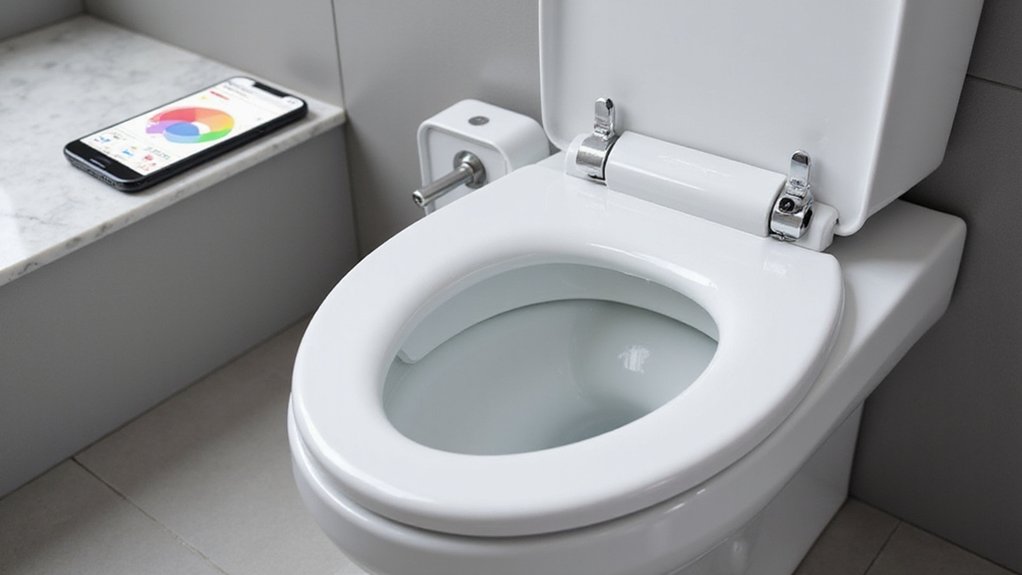

A new generation of smart toilet attachments can now analyze human waste to spot health problems early. These AI-powered devices use cameras and sensors to capture images of feces in the toilet bowl, then analyze them for signs of illness.
The technology works through advanced algorithms trained on thousands of stool images. These algorithms can classify stool by consistency, color, and whether blood is present. The systems use the Bristol Stool Scale, a medical tool doctors use to evaluate digestive health. When someone flushes, the device automatically captures and analyzes the waste before sending results to a digital health app.
These attachments can detect warning signs of serious conditions. They spot irregularities linked to irritable bowel syndrome, Crohn’s disease, and colon cancer. The devices can also check for dehydration and other digestive problems. Some models analyze urine color too, providing extra health data. The information helps doctors catch diseases earlier than traditional methods.
Smart toilet attachments detect early warning signs of IBS, Crohn’s disease, colon cancer, dehydration, and other digestive problems.
Studies show the AI technology is about 85% accurate when compared to gastroenterologist assessments. That’s better than when patients describe their own symptoms, which can be unreliable due to poor memory or embarrassment. Doctors have validated the AI’s accuracy by reviewing thousands of images and working with tech developers through clinical trials. The technology uses convolutional neural networks to process and analyze the captured images.
Privacy protection is built into these devices. The downward-facing camera only records toilet bowl contents. The system automatically deletes any non-relevant images. In homes with multiple users, fingerprint scanners or other methods identify who’s using the toilet. All data is encrypted and stored securely in health apps that users and their doctors can access. The Texas-based startup Throne offers their toilet camera for $299 pre-order pricing during beta testing.
The attachments fit on standard toilets without replacing the whole unit. They work in homes, hospitals, and care facilities. Most of the technology stays hidden, so bathrooms don’t look strange or uncomfortable. Setup is simple, and the devices work automatically after installation.
Future versions may analyze the chemical makeup of waste for even more detailed health information. As this technology develops, it could become a standard tool for monitoring digestive health at home.
References
- https://today.duke.edu/2021/05/smart-toilet-uses-artificial-intelligence-monitor-bowel-health
- https://www.digitalcameraworld.com/news/toilet-camera-uses-ai-to-analyze-pics-of-poop-and-measure-your-gut-health
- https://researchtriangle.org/news/duke-universitys-smart-toilet-utilizes-artificial-intelligence-to-monitor-bowel-health/
- https://blogs.the-hospitalist.org/content/smart-toilet-ai-automatically-scans-stool-blood-and-consistency
- https://www.techexplorist.com/stanford-smart-toilet-analyzes-urine-poop-signs-disease/31501/