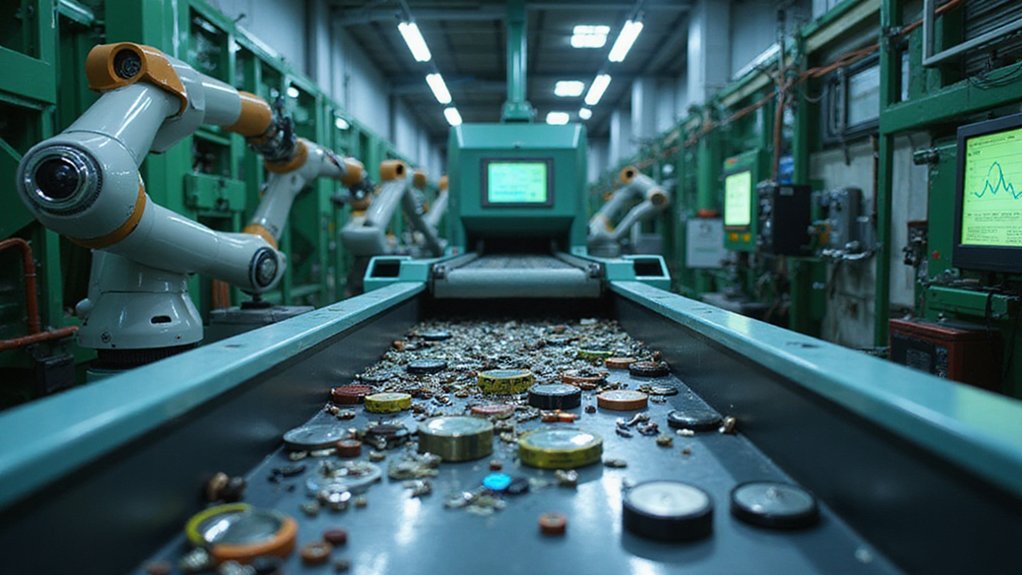
Artificial intelligence is transforming how used batteries get recycled across the globe. AI systems now use advanced image processing to identify different battery types and chemistries without manual sorting. These smart systems can quickly decide if a battery should be reused, recycled, or disposed of based on data analysis. Even consumer batteries without barcodes can be recognized by AI-powered scanners, making collection easier.
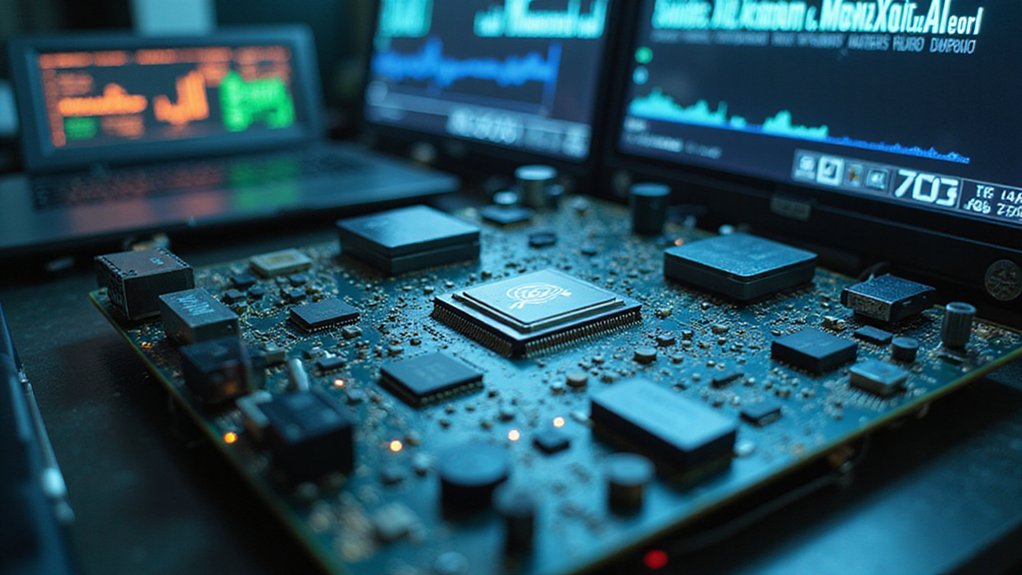
The technology brings major improvements to recycling plants. Machine learning models optimize chemical reactions to recover more materials from old batteries. Digital twin technology creates virtual models of recycling processes, controlling energy and chemical inputs in real time. This cuts costs and reduces waste. AI also monitors equipment and predicts when maintenance is needed, preventing unexpected breakdowns. However, the energy consumption demands of data-intensive AI models present sustainability challenges for recycling operations.
Recovery rates for valuable metals like lithium, nickel, and cobalt are rising thanks to AI-optimized extraction. Automated systems reduce material loss throughout the recycling chain. AI quality control guarantees the recovered materials are pure and consistent, which means better financial returns and environmental benefits.
Safety improves too. AI systems can spot potential hazards before they cause problems. Workers have less exposure to toxic chemicals and fire risks since machines handle dangerous materials. The optimized processes use less energy, cutting greenhouse gas emissions from recycling plants. Companies like Suzhou Botree Cycling Sci & Tech Co. have achieved high recovery rates through AI-powered sorting systems.
The economic impact is significant. AI is making battery recycling more affordable and commercially viable. The integration of recyclable materials helps preserve critical elements from lithium-ion batteries that are essential for future production. The global battery recycling market is expected to reach $52 billion by 2034, with AI playing a key role. Companies like Circu Li-Ion and Siemens are leading this innovation. Better recycling also provides access to critical minerals without relying solely on mining.
The United States and Europe are quickly adopting these AI technologies in response to new recycling standards and regulations. This technological change is creating a more sustainable future for battery production and disposal while building a circular economy for critical materials.
References
- https://www.cyient.com/blog/ai-in-battery-recyclingstrides-in-sustainability
- https://artificialintelligencemadesimple.substack.com/p/how-ai-is-remaking-lithium-ion-battery
- https://www.mdpi.com/2313-0105/10/12/440
- https://www.recyclingtoday.com/news/bower-varta-join-forces-on-ai-powered-battery-scanning-for-consumer-batteries/
- https://www.oscorpenergy.com.au/post/how-ai-is-revolutionizing-lithium-ion-battery-recycling-at-oscorp-energy