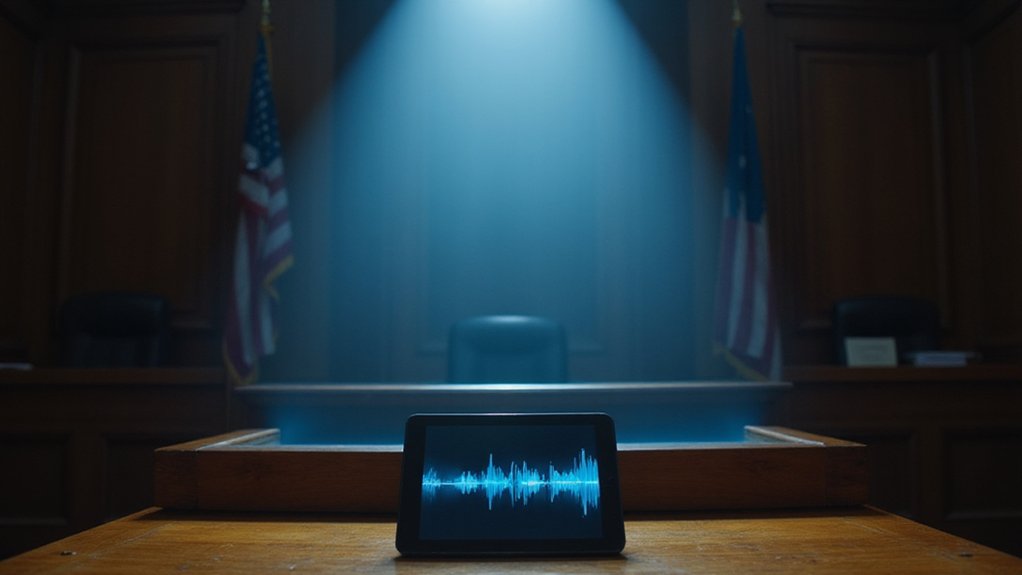

Technology has crossed a new frontier in the legal system. Christopher Pelkey, killed in a road rage incident, recently addressed the court through an AI recreation of himself. His family used videos, photos, and audio to create a digital version that delivered his own victim impact statement. The innovation offered closure but raises questions about AI’s role in courtrooms. Is this the future of testimony? Or does it open a Pandora’s box of ethical concerns?
In a groundbreaking moment for both technology and justice, artificial intelligence has given voice to a victim beyond the grave. Christopher Pelkey, killed in a 2021 road rage incident in Chandler, Arizona, addressed his perpetrator during sentencing through an AI-generated likeness and voice—marking a judicial first in Arizona and possibly the United States.
Pelkey’s family provided videos, photos, and audio recordings to train the AI system. This allowed for a digital recreation that captured his appearance, voice, and personality traits. The final video blended AI-generated content with real clips of Pelkey, creating a remarkably lifelike representation.
By merging AI-generated elements with authentic footage, the Pelkey family created a digital echo that transcended death itself.
During the court proceedings, the digital Pelkey offered forgiveness and shared reflections on life. The judge was so deeply moved by the AI presentation that he referenced it in his closing statements before imposing the maximum sentence. The statement deeply moved everyone present, including family members and legal professionals. Many described the experience as surreal yet comforting, noting how accurately the AI captured Pelkey’s spirit and values.
The presentation wasn’t without controversy. This unprecedented use of technology in an Arizona courtroom initially faced legal questions about admissibility and ethics. While Arizona law permits victim impact statements, the use of AI for this purpose hadn’t been specifically addressed before this case.
The technical process was complex and personal. Pelkey’s technologically-skilled siblings spearheaded the project, carefully curating data to guarantee the AI accurately reflected their brother’s character and humor. The creation process took several days, demonstrating the significant effort required for authentic results.
This case sets a potential precedent for future applications of AI in courtrooms. Legal experts are now calling for clearer guidelines on digital recreations in legal proceedings. Questions remain about authenticity, consent, and the emotional impact such presentations might have on court decisions.
For Pelkey’s family, the AI recreation provided a unique form of closure. They expressed that the statement, which emphasized forgiveness and appreciating life, truly represented what Pelkey would have wanted to say—allowing him, in a sense, to have the final word in his own case. Pelkey’s wife Stacey spent two years working on these victim impact statements to ensure they properly honored her husband’s memory.
References
- https://www.youtube.com/watch?v=NRMsQmIj9_g
- https://www.denver7.com/science-and-tech/artificial-intelligence/arizona-family-uses-ai-to-create-road-rage-victims-own-impact-statement
- https://abcnews.go.com/US/wireStory/killed-road-rage-shooting-ai-allowed-deliver-victim-121597722
- https://people.com/ai-road-rage-victim-impact-statement-beyond-grave-11729954
- https://www.youtube.com/watch?v=eQ9T12IrvWE