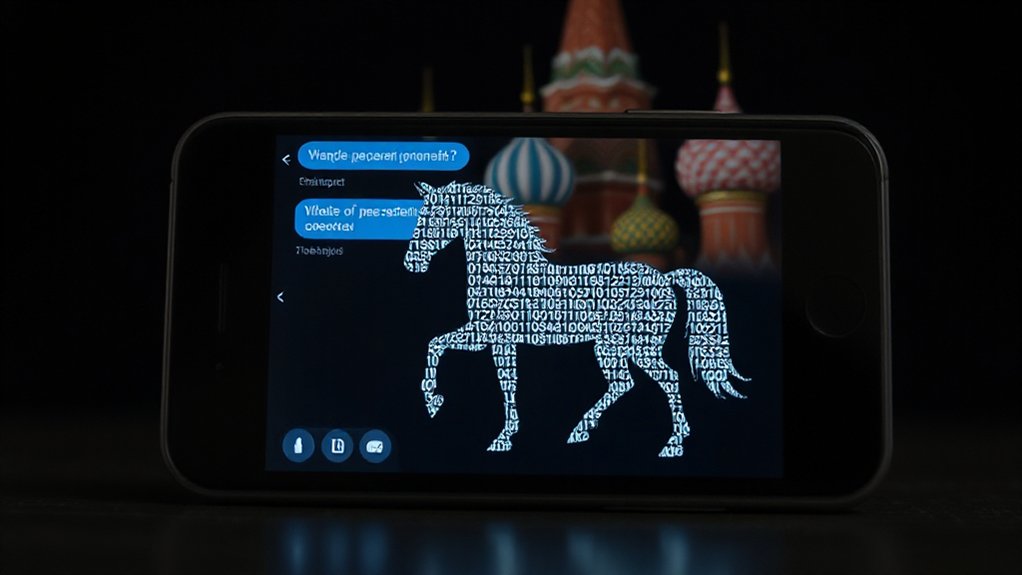

As the digital age advances at breakneck speed, democracy worldwide faces an unprecedented threat from weaponized artificial intelligence. Experts warn that generative AI now creates tailored disinformation on a massive scale, dismantling electoral processes faster than regulations can address. During major elections, bad actors deploy automated translation, voice clones, and video editing to spread false narratives through algorithm-driven platforms.
The World Economic Forum has identified disinformation as a top global risk threatening democratic stability in 2024 and 2025. We’ve already seen social networks used to coordinate real-world attacks on democratic institutions, like the January 8, 2023 events in Brazil. As AI-generated content becomes more convincing, citizens struggle to make informed electoral choices.
AI-powered surveillance poses another critical threat. Facial recognition and predictive policing make anonymity nearly impossible for dissenters. Governments in China and Russia have deployed extensive AI networks to track and detain participants in anti-government demonstrations. These systems often use biased algorithms that unfairly target activists and minority groups. The recent veto of algorithmic discrimination bills in states like Virginia further enables AI systems to perpetuate bias in critical areas like housing, employment, and education.
The technology enables unprecedented voter manipulation through personalized targeting. AI systems influence public opinion and electoral outcomes at scales never before possible. The dual nature of AI as both a transformative tool and potential weapon makes addressing these threats particularly challenging. Digital propaganda stirs up polarization, hatred, and racism, deepening divisions within democratic societies.
Authoritarian regimes are leveraging these tools to consolidate power. Global indexes like V-Dem and the Economist Intelligence Democracy Index show intensifying autocratization through digital repression. Meanwhile, oligarchs with access to advanced AI systems exert disproportionate control over policy-making, bypassing democratic checks and balances.
Proprietary AI governance mechanisms now allow a select few to operate outside legislative oversight. The exclusion of civil society from shaping AI’s future deepens the divide between powerful actors and the general population. Hyper-targeted content can radicalize vulnerable individuals and incite social unrest, further destabilizing democratic institutions.
As trust erodes and information integrity collapses, the foundation of democratic culture – free speech, assembly, and informed participation – faces its greatest challenge since the digital transformation began.
References
- https://www.hks.harvard.edu/weaponized-ai-new-era-threats-and-how-we-can-counter-it
- https://ash.harvard.edu/articles/weaponized-ai-a-new-era-of-threats/
- https://www.journalofdemocracy.org/online-exclusive/how-autocrats-weaponize-ai-and-how-to-fight-back/
- https://allianceforscience.org/blog/2025/03/ai-generated-disinformation-already-an-enemy-of-democracy-in-the-digital-age/
- https://techpolicy.press/ai-at-the-brink-preventing-the-subversion-of-democracy