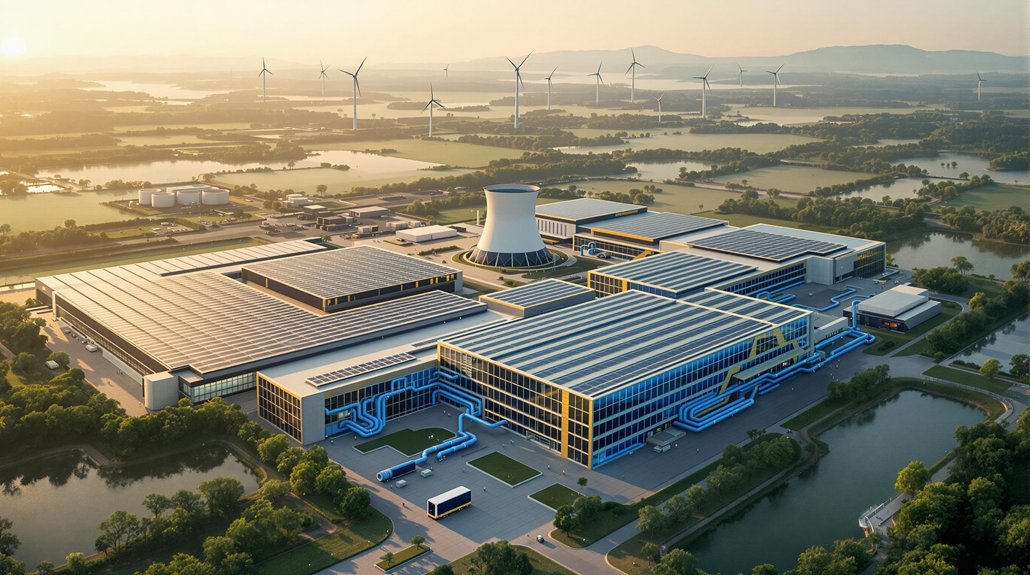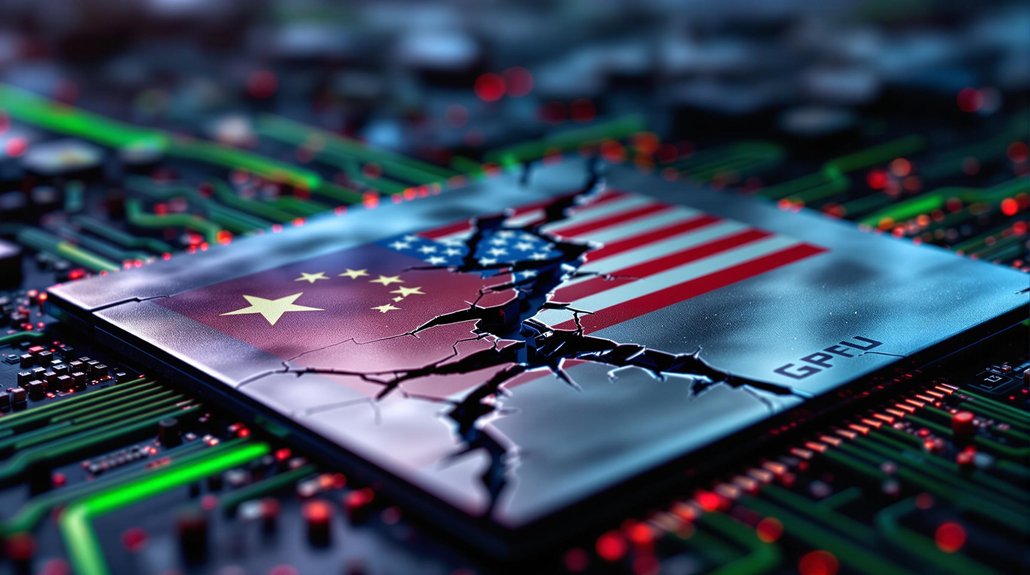
As tech giants pour over $560 billion into AI infrastructure, Wall Street’s enthusiasm for this spending spree has reached fever pitch. Major companies like Microsoft and Meta have seen their shares hit record highs after announcing massive capital investments. The market clearly loves these AI bets, especially with the One Big Beautiful Bill Act now offering tax relief for companies that frontload these investments.
Morgan Stanley projects a staggering $2.9 trillion in AI-related spending from 2025 to 2028. This money will flow mainly to chips, servers, and data centers. Wall Street analysts believe these investments will boost U.S. GDP growth by up to 0.5% in both 2025 and 2026.
AI’s $2.9 trillion infrastructure boom will supercharge the economy, adding critical GDP growth through 2026.
The AI boom is creating winners and losers. A small group of tech giants now dominates the space. Microsoft’s market cap has hit $4 trillion, while Meta approaches $2 trillion. These companies are using their financial power to widen the gap between themselves and smaller competitors.
The M&A landscape has transformed in 2025. Multiple hundred-billion-dollar deals have occurred as companies race to secure AI talent and technology. Strategic partnerships between giants like Nvidia, Microsoft, and OpenAI further concentrate market power. Smaller players are being bought or pushed aside.
Investors can’t get enough of AI stocks. The STOXX Global AI Infrastructure index jumped 32% in 2025. Many are reshaping their portfolios to capture the “picks and shovels” of the AI gold rush. BlackRock Investment Institute has characterized this period as the initial buildout phase of AI evolution, with adoption and transformation stages still to come.
But dangers lurk beneath the enthusiasm. Tech firms that rarely borrowed money are now taking on significant debt to fund AI buildouts. Nearly 100,000 tech workers have been laid off since 2022 as companies cut costs to offset these massive investments. Financial institutions worry about systemic risk if these massive investments don’t deliver expected returns.
The market concentration is intensifying as big tech acquires startups and consolidates AI capabilities. The oil and gas sector is experiencing similar consolidation, with AI technologies expected to create an 8.2 billion market in the industry by 2034. While Wall Street celebrates each new AI spending announcement, questions grow about the sustainability of this debt-fueled expansion and its long-term impact on competition.
References
- https://stoxx.com/ai-investments-surge-in-2025-driving-market-gains-fund-flows/
- https://www.svcp.com/big-techs-400-billion-ai-spending-spree-just-got-wall-streets-blessing-2/
- https://www.tomshardware.com/tech-industry/wall-street-warns-of-rising-ai-debt-risk-as-stocks-slide-on-wobbly-investor-confidence-analysts-warn-of-systemic-risk-as-nvidia-share-price-creaks
- https://www.youtube.com/watch?v=X_siTNxDIpw