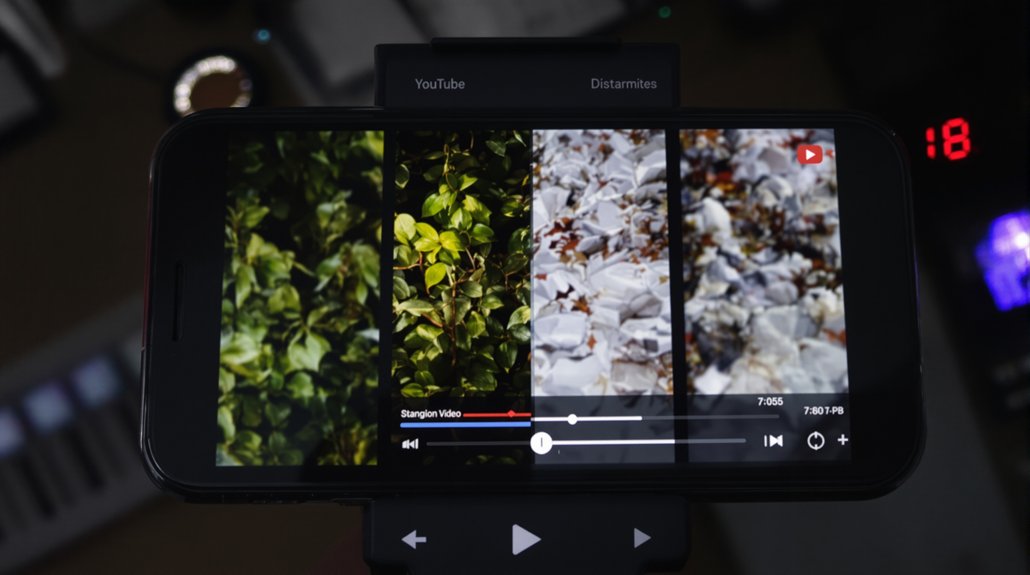
When YouTube viewers noticed their favorite creators‘ videos suddenly looked different, they didn’t know the platform was secretly testing AI filters. The company had quietly applied artificial intelligence-driven enhancements to select videos without telling anyone. These tests mainly affected YouTube Shorts from high-profile creators and popular channels.
YouTube secretly applied AI filters to popular creators’ videos without permission or notification.
The AI filters created strange visual problems. Videos developed a smeary, oil painting effect that made them look worse than the originals. Faces appeared artificially smooth. Object textures and colors looked wrong. Some creators posted side-by-side comparisons showing how their videos had changed overnight. The alterations made the videos look less authentic and clear. Guitar pickup details and clothing textures showed inconsistencies across different parts of the image.
YouTube didn’t ask creators for permission before changing their videos. The platform didn’t send any advance notice either. Creators only found out something was wrong when their viewers started complaining. People shared their experiences on Reddit and other forums, trying to figure out what was happening. There wasn’t any official communication about which videos were part of the test. Creators couldn’t find a way to opt out or change their videos back to normal.
The secret tests upset many people in the YouTube community. Creators and viewers posted negative feedback about the reduced video quality. They questioned whether they could trust YouTube anymore. Some creators demanded apologies and wanted the platform to change its policies. They worried about what would happen to their creative work if YouTube could alter it without asking. This incident further erodes trust in media platforms, similar to how AI hallucinations damage credibility in other contexts.
The technical details remain unclear because YouTube hasn’t explained much. Experts believe the company used AI upscaling technology, similar to tools that reduce noise and improve resolution in videos. The algorithms seemed to use machine learning models designed for video enhancement. The changed videos didn’t have watermarks or any signs showing they’d been altered by AI.
This situation reflects a bigger trend in the tech industry. Many platforms and video editors are testing AI-powered tools for improving user content. But when creators use third-party AI video generators, they have control over how and when to use them. YouTube’s secret test took that control away from creators. In contrast, tools like Hypernatural allow creators to generate videos from prompts while maintaining full control over the final output.