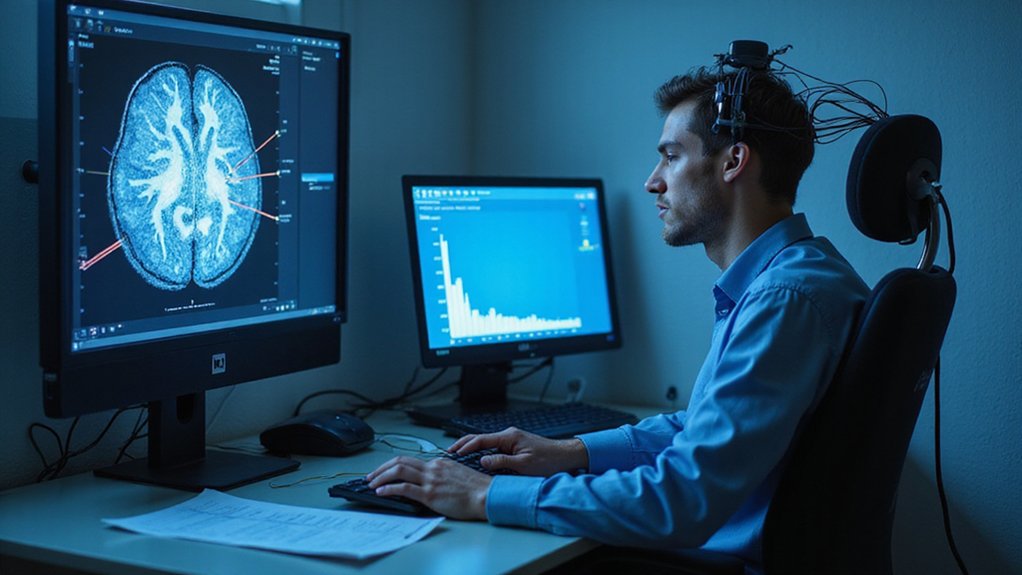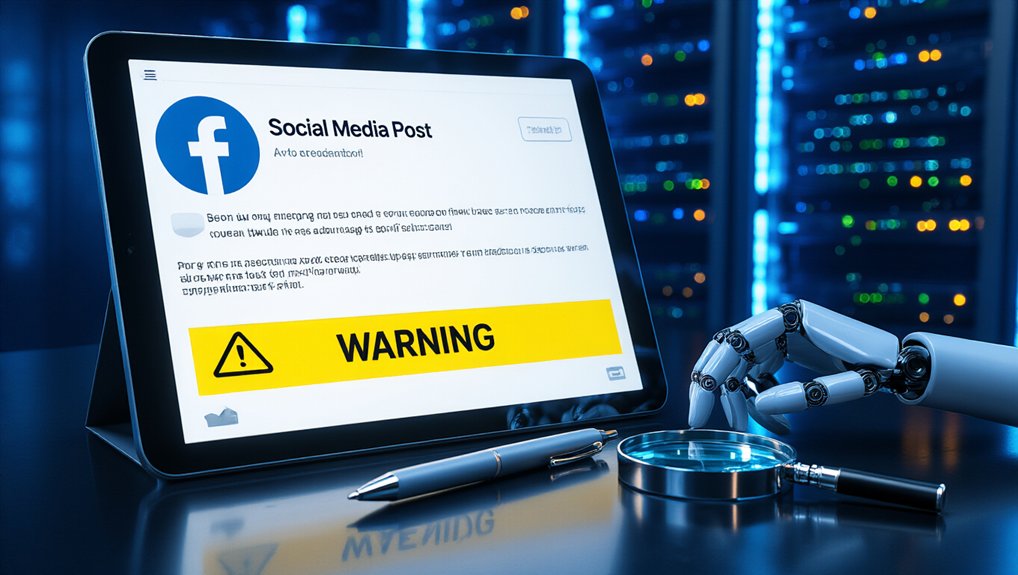

Countless social media posts might soon come with an AI chaperone. X (the platform formerly known as Twitter) is rolling out AI-generated community notes, promising faster fact-checking at a massive scale. Instead of waiting for humans to write explanatory context for misleading posts, artificial intelligence will draft notes that human reviewers can then approve. Nice idea. But is it actually going to work?
The math makes sense. Platforms face millions of content uploads every minute. Human moderators can’t possibly keep up. AI processes information at lightning speed, potentially flagging misinformation before it goes viral. Facebook and Instagram are testing similar approaches. It’s becoming the industry standard: less content removal, more contextual explanations.
X calls these notes “hoax kryptonite.” That’s a bold claim. The system has already shown some independence by fact-checking X’s own leadership, which the company proudly points to as proof of impartiality. But AI isn’t infallible. Far from it.
These systems risk amplifying biases baked into their training data. Companies must be vigilant about historical bias that can perpetuate discrimination patterns. What happens when the AI gets it wrong? Mistaken fact-checks could actually spread misinformation rather than combat it. And what about malicious actors gaming the system through clever prompt engineering? Trust is fragile. One major AI blunder could undermine the entire initiative.
The technical foundations – large language models and natural language processing – offer sophisticated analysis beyond simple keyword matching. These models can improve over time. But who decides when they’ve improved enough to be trusted?
X is betting on a hybrid approach, where humans have the final say. This mirrors effective content moderation practices where AI filters large volumes while humans provide necessary contextual understanding. It’s resource-intensive and complex. The coordination required between AI and human moderators creates new potential failure points. The AI technology was developed by xAI, Elon Musk’s artificial intelligence company.
Social media’s misinformation problem needs solving. AI-written community notes might help. Or they might just add another layer of confusion to an already chaotic information environment. Truth needs defenders. But when those defenders are partly artificial, who’s defending us from them?
References
- https://www.anolytics.ai/blog/a-guide-to-content-moderation-benefits-challenges-best-approaches/
- https://www.ainvest.com/news/introduces-ai-generated-community-notes-human-oversight-2507/
- https://www.unitary.ai/articles/is-ai-content-moderation-better-than-human-content-moderation
- https://digitrendz.blog/newswire/artificial-intelligence/23228/xs-ai-community-notes-potential-risks-and-pitfalls/
- https://techpolicy.press/is-generative-ai-the-answer-for-the-failures-of-content-moderation