
Google and Shell have struck a deal to extend the life of an aging Dutch wind farm. The tech giant will buy all electricity from NoordzeeWind, giving Shell funds needed for essential upgrades. This partnership keeps clean energy flowing beyond the facility’s expected lifespan. It’s not just good for the companies involved—it supports the Netherlands’ climate goals too. What makes this agreement a potential model for similar projects around the world?
Google has teamed up with Shell in a groundbreaking deal to extend the life of a Dutch offshore wind farm. This unique partnership marks the first agreement of its kind in the Netherlands and focuses on preventing the early retirement of the country’s first operational offshore wind farm.
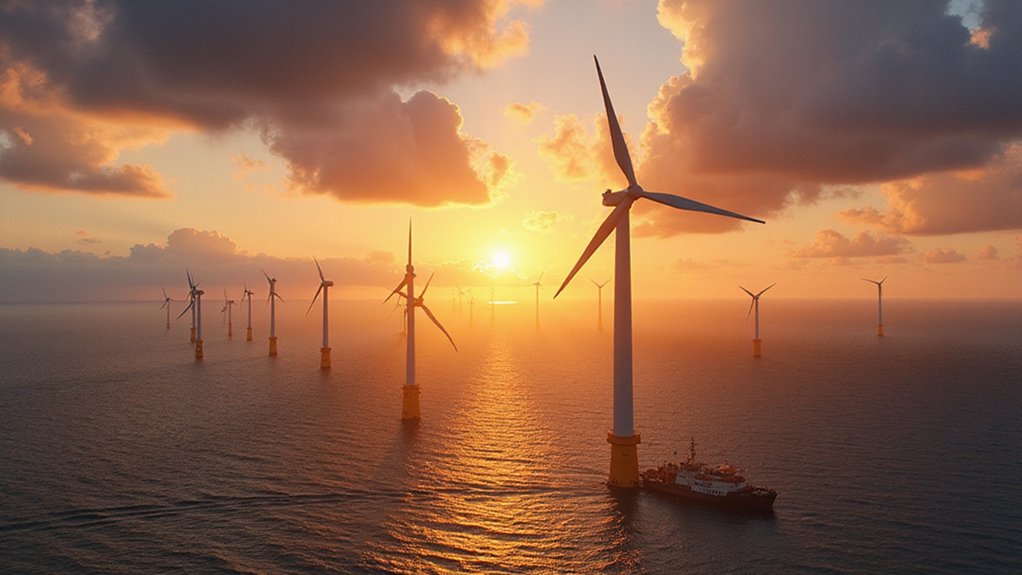
The Shell NoordzeeWind facility, located off the coast of Egmond aan Zee, has been producing clean energy since 2007 and was facing potential decommissioning. The 108MW wind farm was originally developed as a joint venture between Shell and Vattenfall. Shell took full control of the project in March 2021.
Through this new deal, Google will purchase 100% of the wind farm’s electricity output, giving Shell the financial security needed to invest in necessary upgrades and seek permit extensions.
Google’s purchase of all electricity output provides Shell the financial runway for upgrades and extended permits.
“This partnership shows how companies can work together to preserve existing renewable energy sources,” said a spokesperson involved in the deal. The agreement will extend the wind farm’s operational life by at least four years beyond its original decommissioning date.
The collaboration highlights the growing importance of corporate power purchase agreements (PPAs) in supporting renewable energy. Instead of building new facilities, this approach maximizes the value of infrastructure that’s already working well. It’s a practical solution that supports clean energy goals while being resource-efficient.
For the Netherlands, this deal helps maintain valuable renewable capacity that contributes to national climate targets and energy security. This agreement represents the first corporate PPA specifically designed to extend the operational lifespan of an offshore wind farm. The continued operation of the wind farm will prevent additional greenhouse gas emissions that would result if this electricity came from fossil fuel sources instead.
Energy experts see this as a model that could be applied to aging wind farms worldwide. The initiative aligns with the UK’s grid connection reforms aimed at prioritizing renewable energy projects. The agreement also supports Google’s ambitious 2030 carbon-free energy goal by focusing on preserving older renewable assets rather than solely funding new projects. As early renewable projects reach the end of their planned lifespans, similar agreements could keep them productive rather than scrapping functional equipment.
The Google-Shell partnership demonstrates how corporate investment can play a vital role in extending the life of renewable infrastructure, potentially inspiring similar initiatives around the world as companies seek sustainable energy solutions.
References
- https://energydigital.com/articles/google-and-shell-backing-dutch-wind-for-sustainable-energy
- https://splash247.com/google-inks-offshore-wind-power-deal-with-shell/
- https://www.rechargenews.com/wind/shell-and-google-team-up-in-first-corporate-offshore-wind-life-extension-in-netherlands/2-1-1816485
- https://www.datacenterdynamics.com/en/news/google-and-shell-sign-ppa-for-repowered-offshore-wind-farm-in-the-netherlands/
- https://entura.com.au/breathing-new-life-into-australias-aging-wind-farms/