
As artificial intelligence becomes part of everyday life, the money being spent to power its reaching staggering levels. Nvidia CEO Jensen Huang predicted at a recent conference in San Jose that global demand for AI computing infrastructure will hit $1 trillion by 2027. That’s double the $500 billion already being spent today.
Huang’s point is simple. AI is no longer a niche technology. It’s being built into everyday software and workflows. The more people use it, the more computing power companies need. That need drives infrastructure spending higher.
AI isn’t niche anymore. The more it’s used, the more infrastructure the world needs to build.
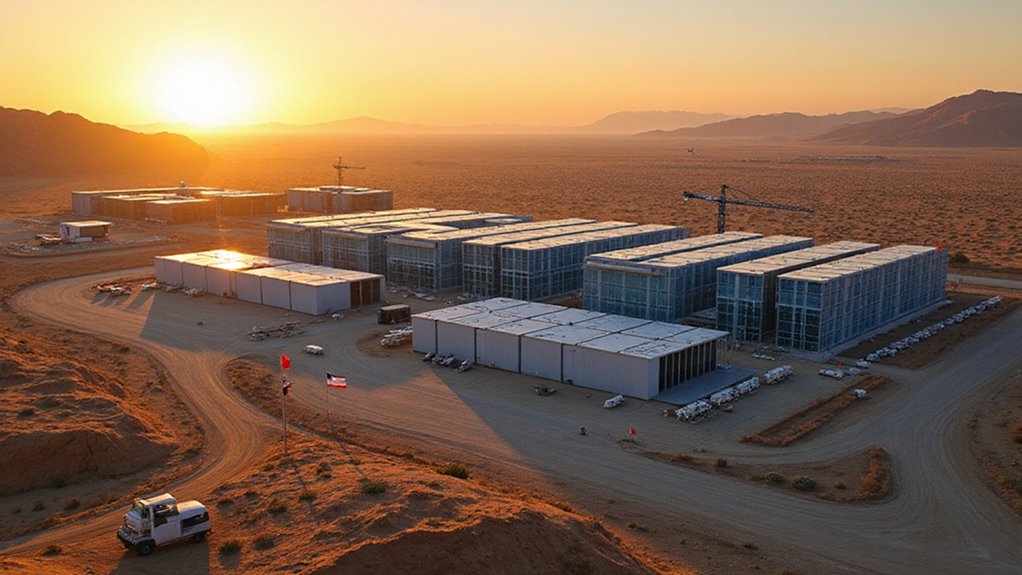
Big Tech companies are already spending enormous amounts. Microsoft‘s capital expenditures jumped 79% to $14 billion in its latest quarter. Google’s rose 91% to $12 billion. Meta spent $7 billion but expects to reach up to $40 billion. Amazon reported $14 billion in capital spending during the first quarter alone.
These aren’t small bets. Microsoft also invested $13 billion into OpenAI at a premium price. Meanwhile, Apple secured a partnership with OpenAI without paying anything upfront. That contrast has raised eyebrows among analysts.
Some experts are worried. They say the gap between what companies are spending and what they’re actually earning from AI is getting wider. A few have called it a potential time bomb. Power supplies are also being strained by the surge in data center construction. Analysts at Sequoia have identified a staggering 600 billion dollar gap between AI investment and the revenues needed to justify it.
But supporters of the spending argue this boom’s different from the dot-com crash of the early 2000s. Back then, companies were building ahead of real demand. Now, the demand’s already here. Microsoft’s AI business has reached a multi-billion-dollar annual run rate. Amazon’s AWS is handling entirely new workloads that didn’t exist a few years ago. Research suggests that every AI dollar invested generates $4.60 in economic value, lending further credibility to the case for sustained infrastructure spending.
Bill Gates has also weighed in, saying AI’s advancing faster than most people expected and that superhuman AI capabilities could arrive sooner than anticipated. Many analysts draw a direct comparison to electricity in modern economy, suggesting AI is transitioning from experimental technology to an essential utility embedded in the foundation of global commerce.
Whether the spending pays off remains to be seen. What’s clear is that the world’s biggest tech companies are treating AI infrastructure as essential, and they’re pouring record amounts of money into building it.